| :: RESOURCES :: |
|---|
Here you will find basic facts and information about Argentina. From suggestions on the best times to travel, to information on Argentina ’s culture and history, to information on how to get to and from Argentina- our Argentina Facts and Info will help you gain perspective on the country and regions you will be traveling to, as well as help you to become a well prepared traveler.
Facts for the Traveler
Visas: A 90 day tourist visa is granted on arrival for North American and most European citizens.
Health risks: Altitude sickness, should you visit the Andes. In the far south of Patagonia the sun (Austral Sun) is very strong due to a thin o-zone. On “red-alert” days which usually happen in the spring time, one should wear as much protection from the sun as possible, as sunburn can occur in less than 10 minutes. There are no vaccinations required for entry.
Time: GMT minus 3 hours.
Electricity: 220V, 50 Hz
Weights & measures: Metric.
[ Return to Top ]
When to Go
Since Argentina is in the southern hemisphere, its seasons are the reverse of what you might be used to. Summer begins in December and ends in March, fall is roughly from April to June, and winter from then until November. Argentina is thus pleasant to visit during the northern hemisphere’s winter months if one is looking for a warm sunny respite from the cold. The Andean winter brings fantastic skiing conditions and the season lasts from mid June to the beginning of September. The whole of July is to be avoided in most of the country, as almost everything is booked solid for school winter holidays. Summer is the best time to visit Patagonia and the southern Andes, as the days are longer and the temperature more agreeable. If you wish to travel during the Argentine winter, Iguazu and the northwest district in general, make for a lovely visit as the rainy season will have just ended, and the heat subsided. The capital, Buenos Aires, is best visited during the mild seasons of spring and fall. Over the summer the heat can be stifling and the city clears out while people vacation, which depending on what you are looking for, could be either positive or negative.
[ Return to Top ]
Events
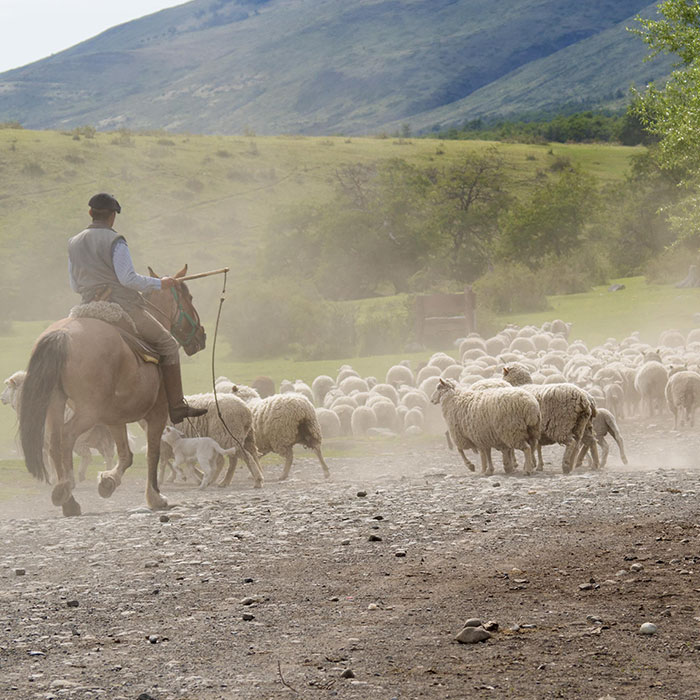
The country is predominately Roman Catholic, and consequently, Christian holidays are observed. Banks and government agencies are closed for holidays, and with the exception of Christmas, New Years (January 1st), Commemoration of First Government Day (May 25), Declaration of Independence Day (July 9th), and Annunciation Day (December 8th), holidays are observed on the closest Monday so as to extend the weekend. Additional holidays include Good Friday, Labor Day (May 1st), Malvinas Day (June 10th), Flag Day (June 20th), the Death of San Martin (August 17th), Columbus Day (October 12th), and Dia de la Tradicion (November 10th), for which, in most towns and cities in Argentina, the preceding several days are celebrated as well, with gaucho parades and dances. There are several non-holiday festivals as well, including fashion week during the month of March, a biennial art festival in September, and a film festival in April.
[ Return to Top ]
Money
The Argentine peso is the unit of currency, and is made up of 100 centavos. Most cities and large towns have places where one can exchange currency, and up-to-date exchange rates are printed daily in the newspapers. The US$ is the easiest foreign currency to exchange, but the Euro or Sterling should pose little trouble. Travelers’ checks, while being easier to lose and steal, will get you a better exchange rate and lower commission, however, it is difficult to find a place to exchange them outside of Buenos Aires, so if you are traveling outside of the capital, it is advisable to exchange them before you do so. The most effective way to procure cash is via an ATM, as they offer the most up to date exchange rate possible and are readily available in most places, the only downside is that you will most likely be charged by whichever ATM you use in addition to whatever your bank charges. Credit cards should be used primarily to withdraw money from ATMs, as charging them will attract both a large service charge (up to 8% of the purchase cost) and unwanted attention. If possible, you should leave your card safely locked in your hotel unless you plan on withdrawing money. Tipping is practiced in Argentina, and it is expected that customers tip an average of 10% in restaurants and whatever leftover change you might have when you pay for a taxi.
[ Return to Top ]
History
Before the arrival of the Spanish conquerors, a number of indigenous tribes made their homes in what is now Argentina. The Yamana (sometimes Yahgan) and Alacaluf used canoes to hunt for shellfish and seals in the southernmost wilds of Patagonia and Tierra del Fuego. The Querandi lived on the pampas, and hunted using boleadoras—three stone balls connected by leather cords thrown at the legs of running animals—with which they brought down large, ostrich-like birds called rhea, and guanacos, cousins to llamas. In the somewhat temperate, subtropical northeast, the Guarani tribe cultivated maize. The Diaguita in the drier regions further to the west also had sedentary agriculture, made possible by an inventive system of irrigation. In addition to their innovative agricultural techniques, they domesticated guanacos for meat and wool, and produced metal tools and textiles. These sedentary tribes became subjugated by the Incas in the early 15th century, and while some remnants of their initial culture still exist, much was lost.
The first Iberian explorers came to Argentina in 1516, but were killed shortly after landing on its shores by the Querandi. A few years later, in 1527, a small fort was established near what is now Rosario, but this too was wiped out after only a couple of years. Just as with everywhere else in the new world however, the Spaniards were not daunted, and spurred on by false tales of riches and precious metals they continued to attempt to settle in Argentina, returning in 1535 with 16 ships and 1,600 men who founded what was to become Buenos Aires.
The other significant event of 1535 was the official shift in Spanish interest and attention to Peru, whose easily visible riches, and vast labor pool, spurred their greed for conquest and glory. This culminated in the establishment of the Spanish viceroyalty in Peru, which had a number of repercussions on the development of Argentina. Trade routes and most of Argentina’s modern cities were established around this time, to import goods from Peru, which, along with Panama and parts of the Caribbean, was the only place allowed to engage in trade with Spain and Europe. Consequently, Buenos Aires did not become a substantial economic player for a couple centuries, despite a flourishing black market of smuggled British and Portuguese goods. During this time, before Buenos Aires became a viceroyalty in its own right in 1776, the Jesuits attempted to tame the perceived wildness of the indigenous people with mixed results. In the northeast they were somewhat successful, but their efforts were met with a good deal of resistance in the interior, which tragically resulted in the extermination of an unknown number of people, setting the unfortunate precedent in Argentine history of removing those inconvenient to the dominant group from the realm of the living.
In 1810, on the 25th of May, the Cabildo, or local seat of government, ousted the viceroy, and proclaimed its allegiance to King Ferdinand VII, who was languishing in a French prison after Napoleon’s invasion of Spain in 1808. Six years later, after much factional infighting between various groups with different opinions on the pertinence of declaring independence, and under threat of invasion by Peru and under blockade by a Spanish fleet, a national congress in Tucumán declared independence. The statement was made concrete by the bravery of José de San Martín, who marched an Argentine army through the Andes to neighboring Chile, where he defeated the Spanish before joining forces with the commander of the Chilean navy. Together they captured Lima and thus set in motion, not just Argentine independence, but that of Chile and Peru as well.
After independence had been won, however, Argentina was torn in two by rival political ideologies, the Unitarians, who favored a strong centralized government, and the Federalists, who advocated local autonomy and independent powers for the provincial elites. There was, of course more to it than just that, there were numerous economic, political, and cultural factors which played into the instability and rivalry as well.
As was fairly common in the politics of the time, a caudillo—powerful, charismatic landowners who used their influence to achieve dictatorial power—was able to temporarily unite the country in 1829, but the unity was short lived as his techniques were somewhat repressive, and he was overthrown in 1852, sparking fresh violence between the unitarians and federalists. After a year, a constitution organizing the various Argentine provinces into a federalist state was drafted, but the province of Buenos Aires refused to sign, and thus did not join the newly formed Argentine Confederation, choosing instead to form its own republic. The animosity between the two newly formed states erupted into more fighting when Buenos Aires attempted to levy taxes on all commerce going up the Rio Paraná. A compromise was reached however and it was agreed that Buenos Aires would be the seat of the federal government, but would be removed from its province and be made a special federal territory, enjoying some privileges and foregoing others.
By the 1920’s, Argentina was the 6th richest nation in the world, exporting grain and beef to much of the world, the demand for which was great during WWI. The Wall Street stock market crash of 1929 had a devastating effect - demand for international imports fell, and Argentina entered an economic slump from which it has never quite recovered. In 1930, the military overthrew the president, Hipólito Yrigoyen, and continued to have a heavy influence on politics. In the mid forties, partially inspired by events in Europe, another coup was staged, and Colonel Juan Domingo Perón rose to power. In 1946, the military held civilian elections and Perón won by a landslide. His charisma and emphasis on national pride and social justice made him immensely popular despite his authoritarianism, and his wife, Evita, was also beloved by the people. She instituted many social welfare programs, winning the hearts of the people despite the fact that what she did only addressed the symptoms of greater problems without really fixing anything. In 1952, when Evita died, Perón’s popularity fell significantly as a result of the end of WWII, which had brought with it an end to the brief economic respite enjoyed due to the higher international demand for imported food. As a result Perón was forced to freeze wages, which dealt a blow to his primary constituency - the workers.
In the fall of 1955, Peron was ousted by a military coup, and forced into exile. Even in exile, however, he exerted a significant amount of influence and had many devoted followers who ironically subscribed to many extremely different political ideologies. There were Marxist Perónists, fascist Perónists, and by the beginning of the 1970’s, there were Perónists operating guerilla armies, who Perón refused to renounce. General Alejandro Lanusse seized power in 1971, and calculated that the only way to control the escalating political violence was to allow Perón to return, which he did in October of 1973. His homecoming was short lived however, as he died in July of 1974, leaving his third wife and vice president, Maria Estela in charge of the country.
Chaos ensued in the wake of Perón’s death, inflation sky-rocketed, left wing guerilla warfare resumed, and right wing death squads began kidnapping and ‘disappearing’ suspected left wing sympathizers. In 1976, after two years of ineffective rule on the part of Maria Estela, the military assumed power, and in an effort to stamp out the left wing Perónists, closed congress, outlawed all political parties, took control of the universities and trade unions, and stepped up death squad activity to an amazingly brutal level. Anyone considered being subversive in any way, even those only rumored to be such, were kidnapped, detained without process, tortured, and in many cases executed and ‘disappeared’. An estimated 30,000 Argentines lost their lives to the military regime, thrown anonymously into the sea from navy and air force planes. A group of mothers whose children had disappeared began to march every week in the Plaza de Mayo, holding signs bearing pictures of their missing and presumably executed children. That they were not arrested too was because of the mantle of motherhood they cloaked themselves in; they had no politics, merely broken hearts. The mothers still march every Thursday to remind their countrymen and the world that many of those responsible remain unpunished for the atrocities they committed.
By the beginning of the 1980’s, the military regime was facing massive discontent, and a plunging economy. To garner favor with the public and win back the hearts of the people, they decided to invade the Malvinas/Falkland Islands, control of which they disputed with the British. While the campaign was initially successful, it rapidly turned for the worst. The British sent a fleet of ships to defend their territory, and swiftly defeated the outgunned and unprepared Argentine forces, embarrassing the Argentine military junta to unrepairable degree.
Elections were held in 1983, and Raul Alfonsin of the Radical Civic Union (UCR) won, sending Generals Galtieri, Videla, and Viola to long prison terms for human rights violations. Argentina’s economy was fragile at best during the eighties and nineties, and the civilian presidents had to struggle with massive inflation, foreign debt, and unemployment. In 1995, another blow was struck to Argentine pride, the privatization of its major industries. At the turn of the century, Argentina experienced a massive economic collapse, causing widespread civil unrest, riots, and protests. In 2003, with the election of Nestor Kirchner, the Argentine economy began to rehabilitate itself, and has continued to do so for the past 3 years. While the situation is fragile and far from fully fixed, they have so far successfully met their IMF requirements, and the economy is showing visible signs of improvement, particularly in the big cities, where, with the help of a boom in tourism, new restaurants and shops are opening at a rapid pace.[ Return to Top ]
Local customs
Argentines are incredibly friendly and polite, and no matter the type of interaction they have with you, be it as a grocery clerk, waiter, or passerby on the street, they will begin with a greeting. If you do not respond in kind, you will be considered rude, even if people do not behave like this where you are from. Likewise, when you leave, say goodbye, as any kindness or warmth you display will be reflected in the way the Argentines treat you. If you are invited to partake of mate, do so, but be warned that it might taste extremely bitter at first. Mate is the pride and joy of almost all Argentines, and they drink it several times a day. It is almost always a social occasion, and Argentines of all social strata gather multiple times a day to share a bombilla. The tea is drunk from a gourd which is filled half way with the dried mate leaves, and the rest of the way with water; each participant takes a couple of sips and then passes to the next person. If you partake in a mate ritual, it will instantly win you the respect and friendship of whatever Argentines you are with.
[ Return to Top ]
Culture
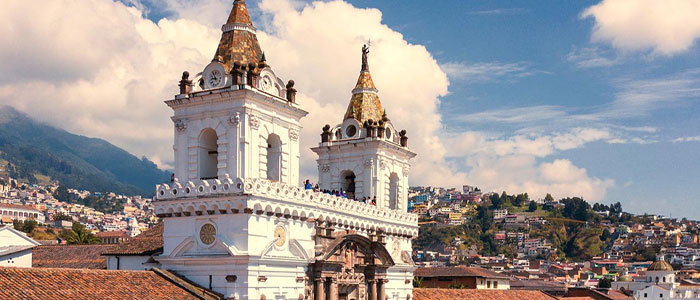
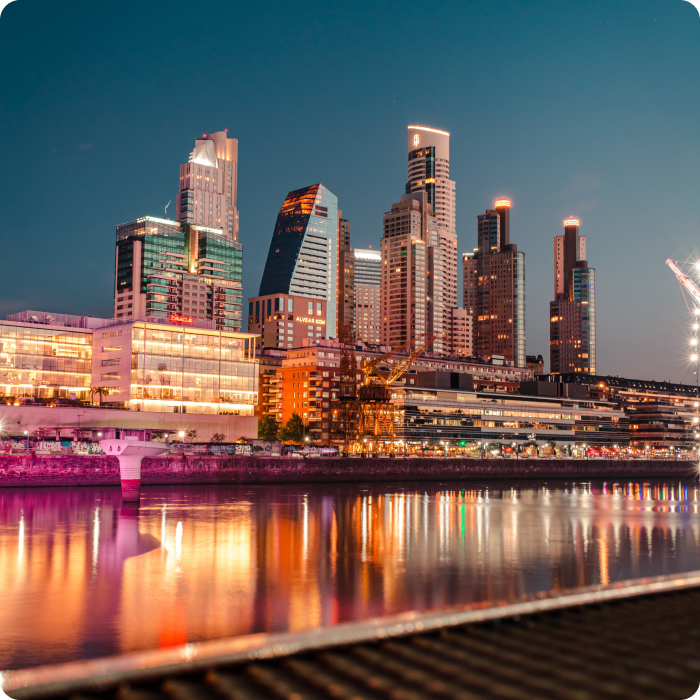
Argentina has a rich and varied culture and heritage. While there has been less blending with the indigenous groups as there has been in other parts of Latin America, art from the various surviving tribes is plentiful and can be found all over the country, along with handmade gaucho crafts - all of which are high quality and finely made. At the end of the 19th century, Argentineans had a preoccupation with European culture and this can evidently be seen in Argentine cities, particularly Buenos Aires, which has a distinctly European structure and architecture. One can imagine that while walking down its streets, one is actually walking down a street in Paris, or Rome. What brings one back, however, is that most distinctive of Argentinean art forms—the tango, which can be heard wafting through the air and seen danced on the streets.
Argentina also has a thriving fine arts scene, including important artistic contributions in the realms of abstract, conceptual art, such as Madí art, which used artistic principles and ideas (such as irregular frames, the combination of painting and sculpture, and the use of neon gas) which were unheard of at the time, but came to be copied by artists all over the world.
A rich literary heritage also exists, particularly in the 20th century, when Argentine authors either contributed themselves to the growing body of somewhat revolutionary literary forms, or provided the framework for others to do so. The 1960’s provide the most striking examples of this, when authors such as the Colombian, Gabriel Garcia Marquez published one of the best selling books of the 20th century, One Hundred Years of Solitude, in an Argentine publishing house. By far the most famous Argentine author is Jorge Luis Borges, who made important contributions to creating a unique identity for Buenos Aires.[ Return to Top ]
Environment
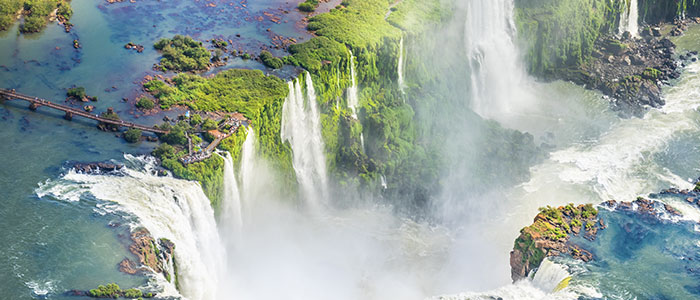
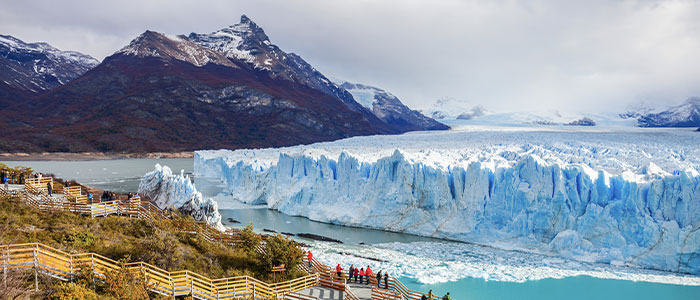
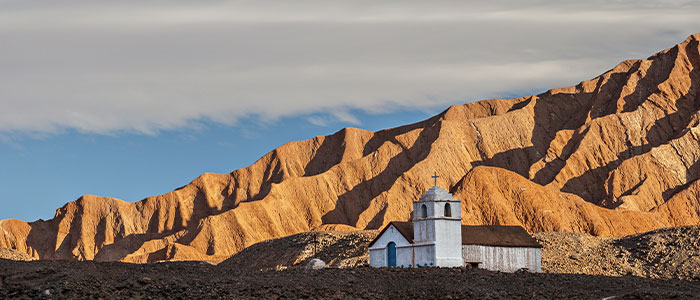
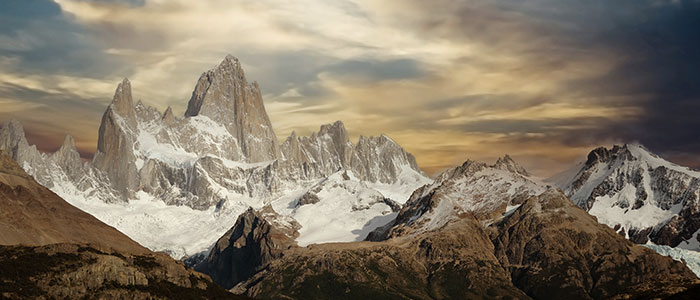
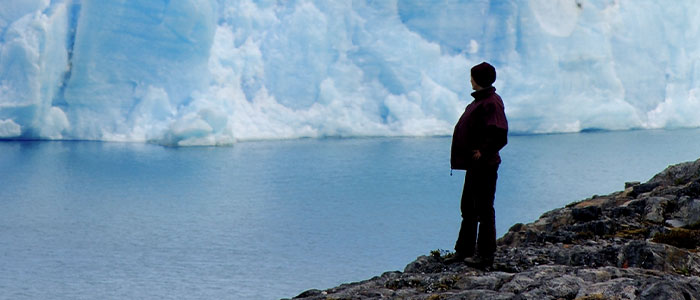
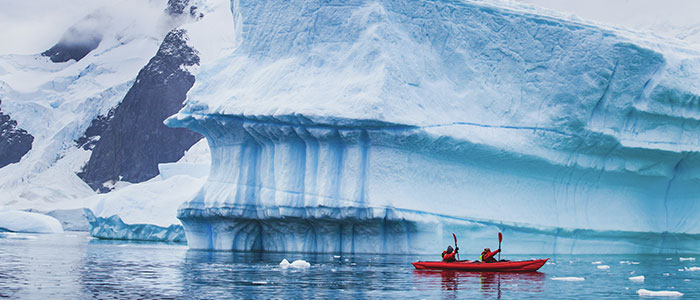
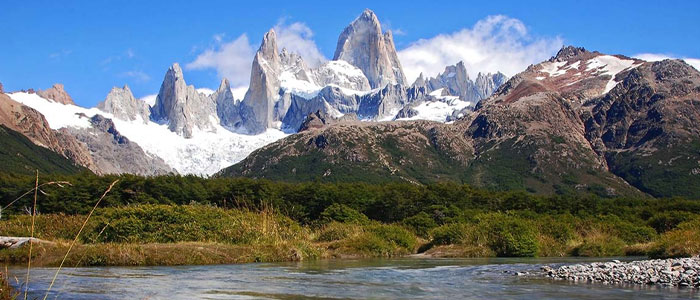
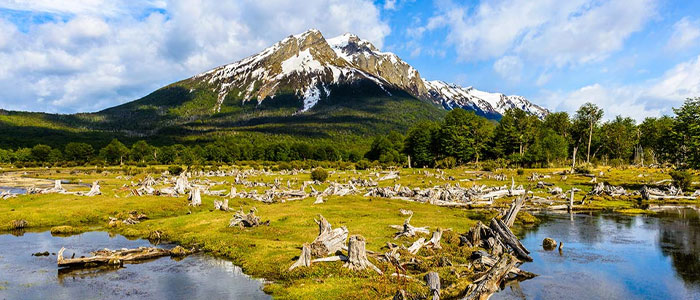
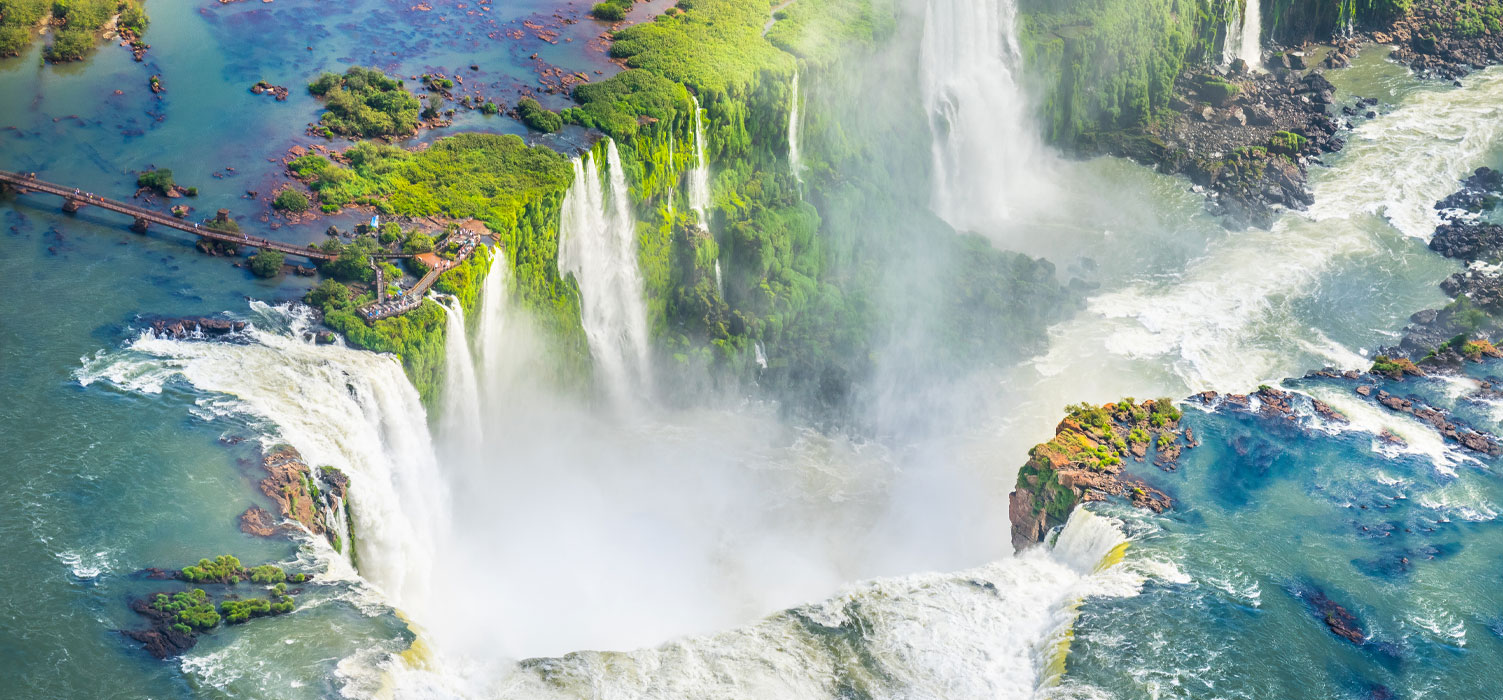
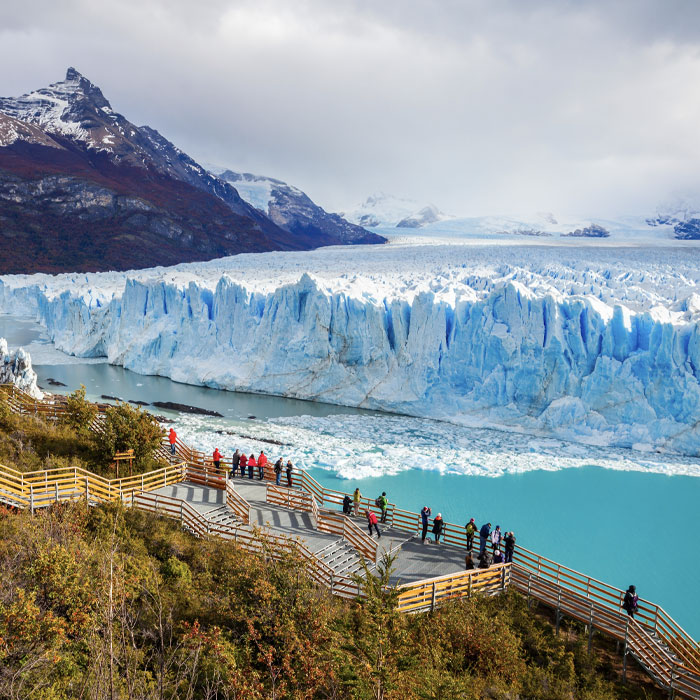
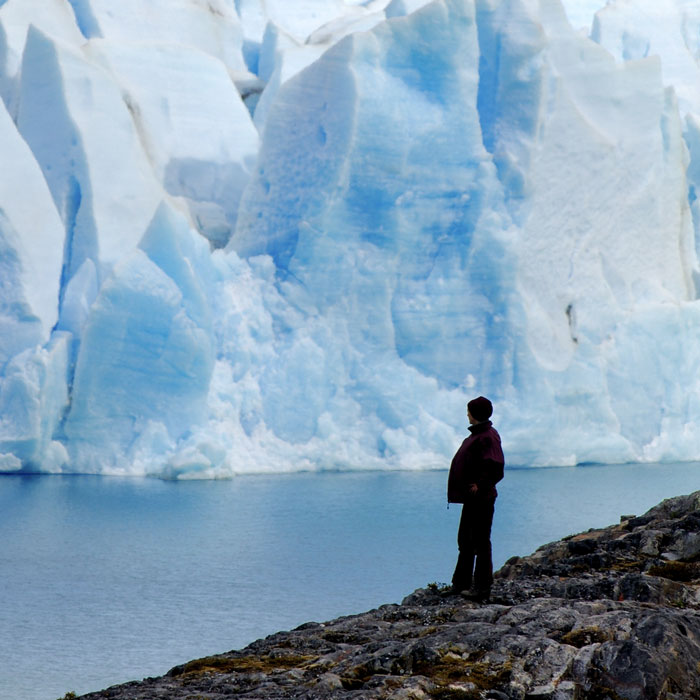
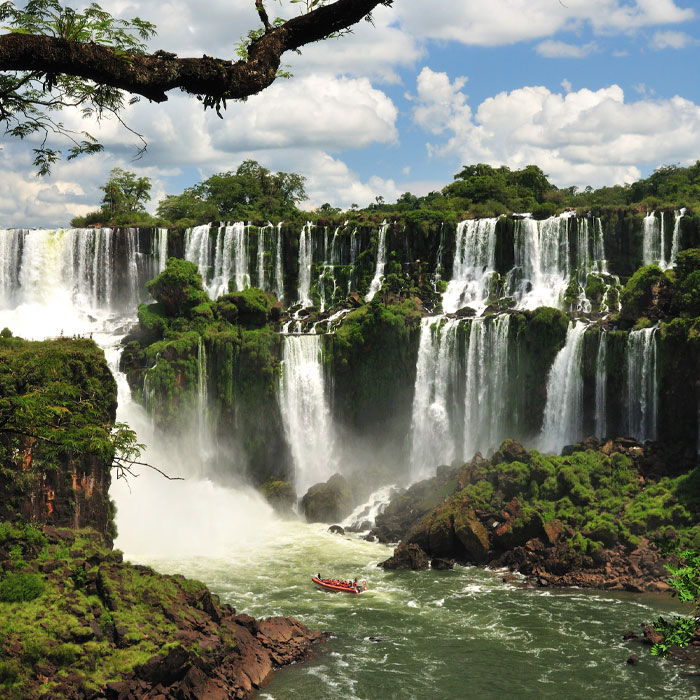
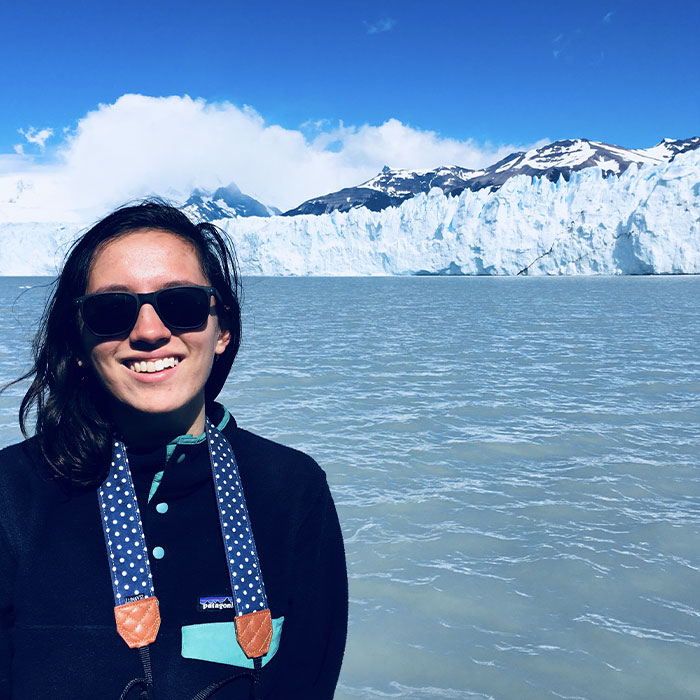
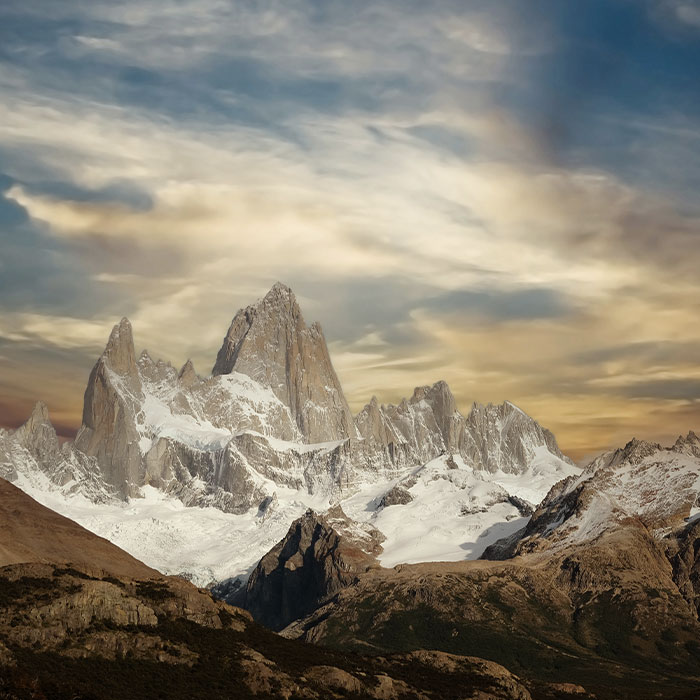
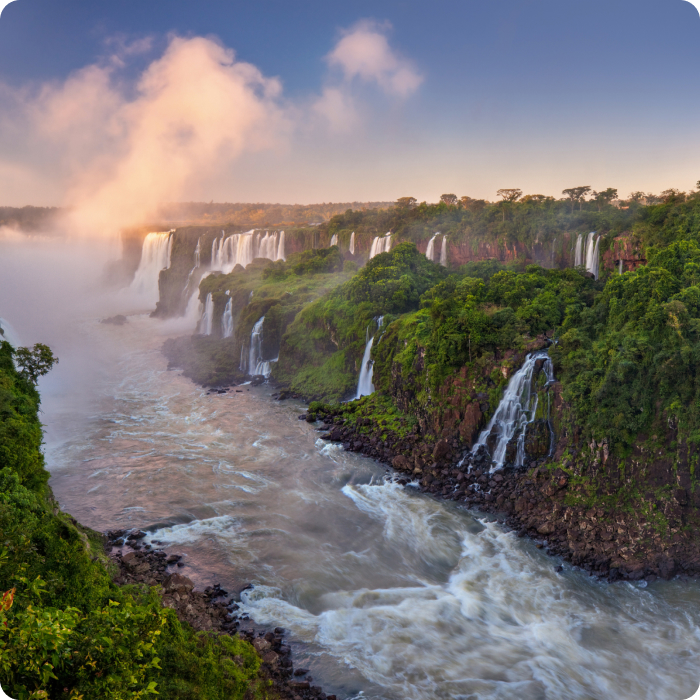
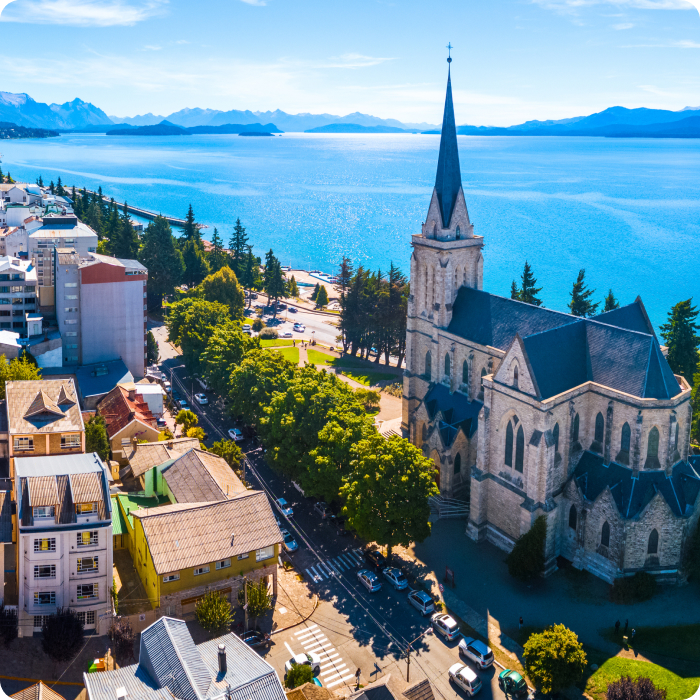
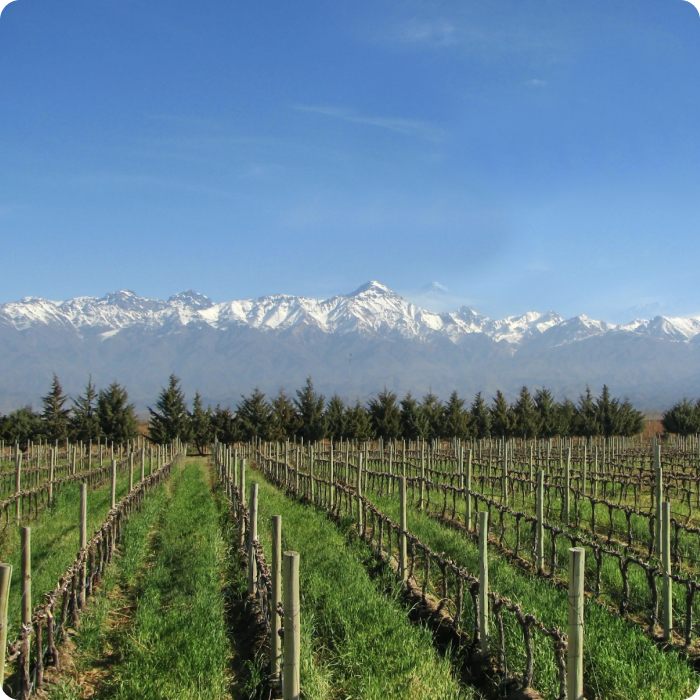
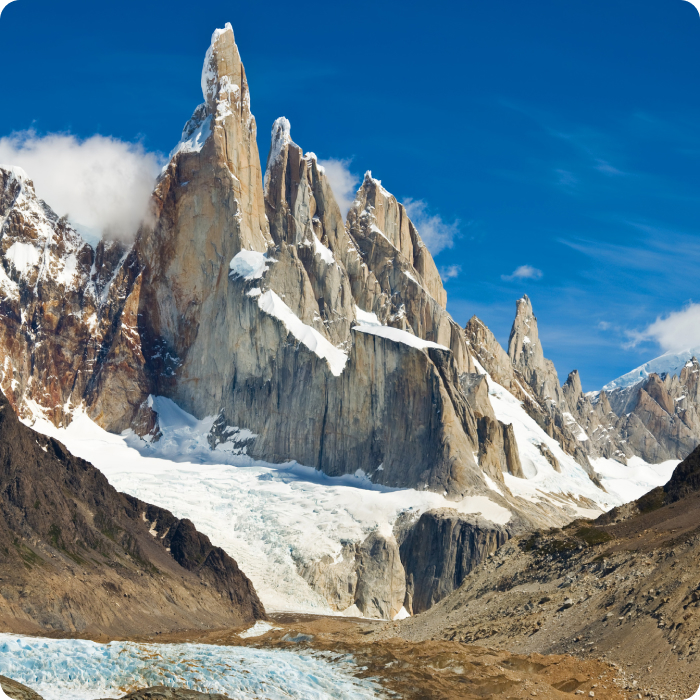
Argentina is the second largest country in Latin America in terms of land mass. It stretches 981 miles from east to west, and 2,149 miles from north to south. It is made up of six basic geographic regions, the Northwest, the Paraná Basin, the Chaco, the Pampas, the Patagonian Steppe, and the Andes. The Northwest is predominantly mountainous sub ranges of the Andes, and high plateaus called the puna, upon which are salt flats called salares, whose sparse beauty and interesting wild life are worthy of the adventurous sightseer. Stretching to the east, the elevation descends through a series of lower peaks and gorges to the plains below. The Paraná basin, east of the puna is large, and stretches from the tri-border with Paraguay and Brazil, to the Atlantic Ocean and Buenos Aires. The basin encompasses the wettest part of the country, referred to as Mesopotamia for its many rivers, flooded forests, and waterfalls, of which the most spectacular is Iguazú falls, which straddles the Brazilian border. The region between Mesopotamia and the puna, which stretches southward to the Pampas, is called the Chaco, a semi arid plain too dry for cultivation, but perfect for cattle ranching. South of Mendoza and Rosario, beginning roughly at latitude 330 S, are the Pampas, which cover a vast 250,000 square miles. A favorable combination of influences has blessed this part of Argentina with some of the richest, most fertile soil anywhere in the world, making it ideal for farming and ranching. Mild year round temperatures and the presence of many lakes and rivers further add to the richness of this part of the country. More immense than the Pampas is the breathtaking expanse of Patagonia, which covers 301,080 square miles of primal territory sculpted by volcanic activity and glacial flows, creating both desolate plains and verdant forests. Perhaps even more magnificent than Patagonia is the backbone of Argentina, the Andes Mountains, which stretch from Tierra del Fuego in the utmost south, and along the Chilean border right up to the northwest corner of the country. In the south, along the Chilean border, lie the Paine Mountains, described by many as the most dramatic part of the Andes, where the peaks rise from glacier coated sea level to stunning cloud enshrouded heights.
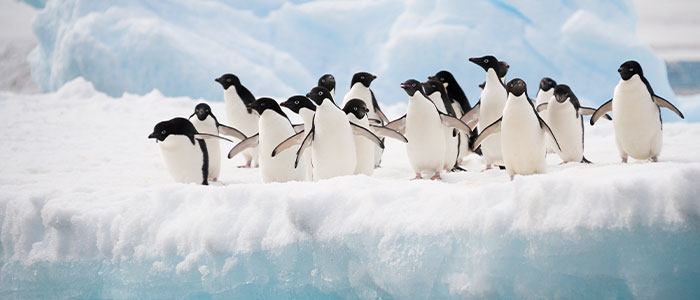
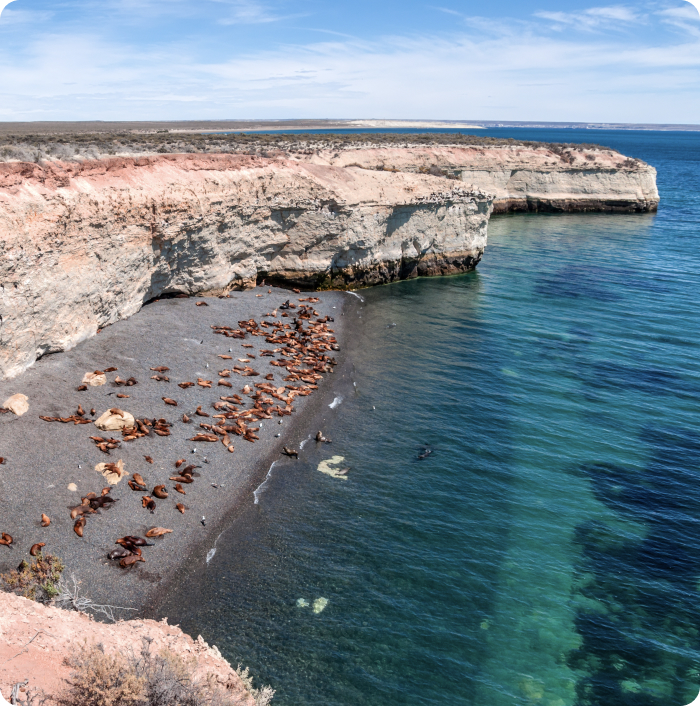
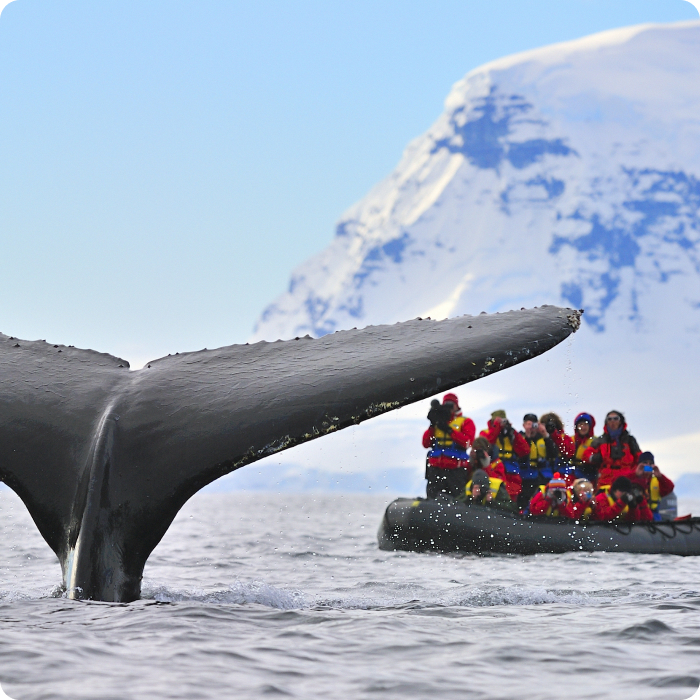
Birds and wildlife are abundant in much of Argentina, as its diversity of potential habitats is great. In the far south of Tierra del Fuego and Patagonia, one can see such dramatic sights as orca whales beaching themselves to feed on seals. While in the pampas, the more pastoral inhabitants of rhea, guanacos, and the world’s largest rodent, the 100 pound or more capybara can be seen.
To help protect its rich natural beauty and wildlife resources, Argentina has a widespread system of national parks and nature preserves. In addition to national natural monuments, natural reserves, and provincial parks and reserves, there are 19 national parks each designed to either highlight or protect a specific ecosystem. For more detailed information on Argentina’s national parks, visit www.parquesnacionales.gov.ar which features both an English and Spanish version of the website.[ Return to Top ]
Weather
There are essentially four basic climatic regions in Argentina: Patagonia, the Pampas, the northwestern region, and the northeastern region. Patagonia is often characterized by its high winds and harsh conditions. During the winter, it can feel particularly cold due to the combined effect of the wind chill and cold temperatures. The pampas can be split into two broad regions, the wet pampas to the east and the dry pampas to the west. Temperatures in both parts rarely reach extremes. The rainy season for both is the first months of the summer, but, as the names imply, expect more rain in the east than the west. Northwestern Argentina is dry and hot year round, in many places the average annual rainfall is less than 10 inches, most of which falls during the summer months. In contrast, the northeastern region is a subtropical climate which can be extremely humid, and to those unaccustomed to such weather, quite uncomfortable during the summer months. The winter season is often mild and temperate, even warm, as temperatures have a tendency to be rather high throughout the year.
[ Return to Top ]
Getting Around
There are a number of ways of getting from one destination to another in this vast country, including airplane, bus, and car or bicycle rental. There a number of domestic airlines in Argentina which provide competition for each other resulting in relatively low prices, but internal flights are often booked during the months of December, January, July, and the dates surrounding Easter. The most economical way to travel is via Argentina’s vast network of long distance buses, which are remarkably efficient. They are both comfortable and safe, and should you choose, there are almost always overnight trips, which can save a day of travel and the expense of a hotel as well. There are generally three different levels of comfort which you can choose from, ranging from the most basic (commun) to the most comfortable (coche-cama), which offers a fully reclining seat, few stops, and often, a light meal. There is often little difference in price between the full and basic service, and it is certainly worth the cost to purchase the coche-cama should the option be open to you.
If you would like to rent a car, a normal car will suffice for most of the roads in Argentina, but, if you are planning on driving to either the north to visit the puna or jungle, or to the south to see Patagonia, it is advisable to rent a vehicle with four wheel drive, usually a light truck. The costs for which should not be too much higher than that of a car. If the option is available to you, rent a vehicle that runs on diesel fuel, as it is often easier to find and cheaper than regular gasoline. You will need a credit card to rent a car, and instead of a deposit, most rental companies make a copy of your card. This is no cause for alarm however, as the rental companies will not add any charges without your consent. You will also need a driver’s license from your home country, and if you have one, an international license, which is advisable but not crucial. Be sure that the rental agency provides all the paperwork you need, such as ownership documents for the vehicle, particularly if you plan on taking the vehicle across international boundaries.
If you wish to experience the Argentine countryside at a more subdued pace, to allow you to better appreciate the sights, sounds, and smells, you may also rent a bicycle. Choosing to do so can open the door to some rewarding travel experiences that you might otherwise miss out on, such as contact with persons who ordinarily do not interact with tourists and the opportunity to travel to places unreachable by car. It can be challenging however, as there are often long distances to be crossed, few places that offer food and drink, and fewer places still that offer a shady spot in which to rest.[ Return to Top ]
Getting There and Away
All incoming international flights not originating in neighboring countries fly into Ezeiza International Airport, just south of Buenos Aires. Domestic and the odd international flights to Brazil, Uruguay, or Chile, depart from Jorge Newbery Airport. Both airports offer car rental and minibus/taxi services into the city proper. There is a US$28 tax on international flights leaving Argentina, and you should check to make sure that this is included in your ticket price to avoid being double charged. There is also an additional 5% tax on all air travel tickets. There are ferries which cross the Rio Plate to Uruguay, and it is possible to enter the country by road as well.
[ Return to Top ]
We do have the lowest prices. We will meet or beat any internet published
rates from companies outside Argentina for all package tours. All HOTELS
and TOURS are based on US standards.

We have the best testimonials. We have highly educated staff that will reply
your request within 24 hours. While traveling in Argentina you will have access
to our local 24/7 English speaking emergency number.